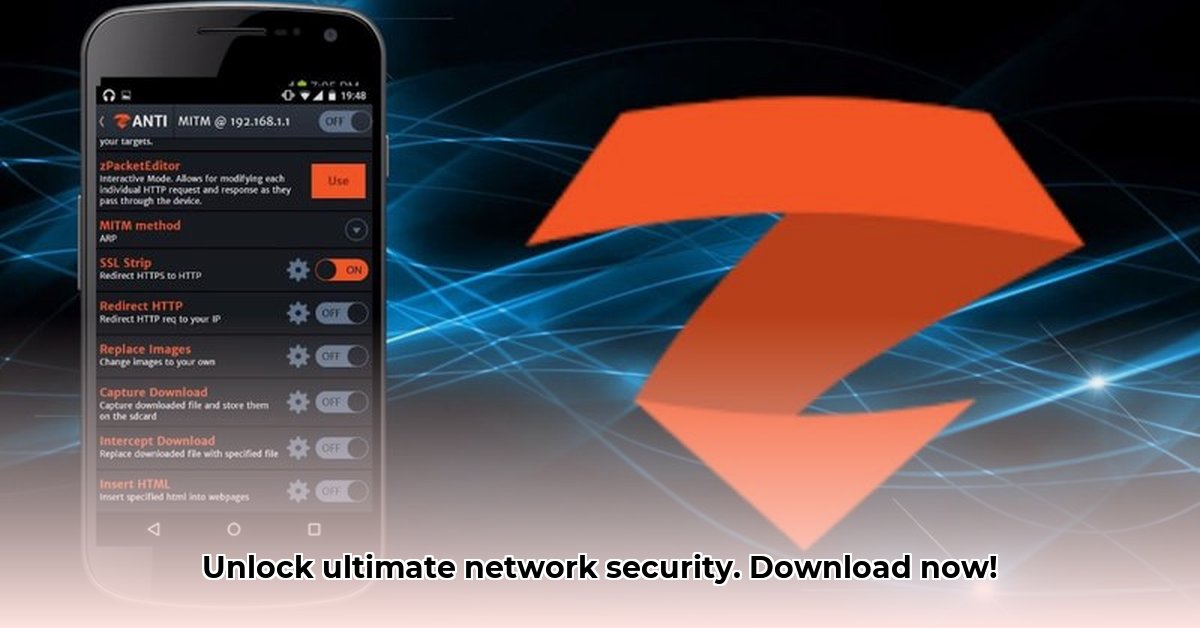
Understanding zANTI and its Role in Penetration Testing
Thinking about using zANTI to bolster your network's security? This guide provides a comprehensive overview of zANTI's capabilities, emphasizing ethical and legal considerations. Remember, downloading and using zANTI is only permissible with explicit written permission to test the target network's security. Unauthorized use can lead to severe legal consequences.
This guide will cover zANTI's functionality, provide a step-by-step guide for ethical use within a controlled environment, and discuss how to interpret results and integrate findings into a broader security strategy. We will also explore alternative tools and best practices.
zANTI: A Powerful Tool, Requiring Responsible Use
zANTI simulates various network attacks to identify vulnerabilities. It acts like a virtual security auditor, probing for weaknesses before malicious actors can exploit them. However, zANTI requires "root access" (giving the app extensive control over your device), increasing security risks if not used carefully within a controlled virtual environment.
Evaluating zANTI: Strengths, Weaknesses, and Limitations
Before proceeding, let's weigh the pros and cons:
| Feature | Advantages | Disadvantages |
|---|---|---|
| User-Friendliness | Relatively easy to learn basic functionality. | Requires a rooted device, increasing security risks. |
| Vulnerability Identification | Effectively identifies potential network weaknesses. | May not detect all vulnerabilities; additional tools are often needed. |
| Assessment Speed | Provides a relatively quick overview. | Report accuracy can be inconsistent depending on user expertise. |
zANTI offers powerful capabilities but demands responsible use. Its effectiveness is directly tied to the user's skill and understanding of its limitations. Are the potential benefits worth the inherent risks?
Legal and Ethical Considerations: A Foundation for Responsible Use
Using zANTI without explicit, written permission is illegal and carries severe penalties, including fines and potential legal action. This point cannot be overstated: only use zANTI on networks where you have formal authorization to conduct penetration testing.
Ethical Penetration Testing with zANTI: A Step-by-Step Guide
This section assumes you have the necessary permissions and are operating within a secure virtual environment (e.g., a virtual machine).
- Setup: Prepare your virtual machine (VM) – ensuring it's isolated from your personal network and data.
- Download (if permitted): Download the zANTI APK only from a trusted and verified source. Install it on your VM.
- Network Connection: Connect your VM to the authorized network.
- Scan Initiation: Launch zANTI and initiate the scan according to its instructions. Allow sufficient time for the scan to complete.
- Result Analysis: Review the generated report comprehensively. Analyze discovered vulnerabilities and assess their potential impact. Prioritize based on severity and exploitability.
- Documentation: Meticulously document findings, including screenshots and detailed descriptions of your methodology and observations. This documentation is critical for reporting and demonstrating your ethical and responsible approach.
Remember: Always meticulously document your process with screenshots.
Interpreting Results and Generating Effective Reports
Accurate report generation is paramount. Clearly state your methodology and findings, explaining the significance of each identified vulnerability. Consider using a standardized reporting format to ensure clarity and consistency.
- Prioritize Findings: Focus on critical vulnerabilities first.
- Contextualize Results: Relate findings to potential real-world impacts.
- Provide Recommendations: Suggest concrete steps to mitigate identified risks.
Integrating zANTI into a Comprehensive Security Strategy
zANTI provides valuable insights, but it's only one tool in a larger security arsenal. Integrate its findings with other security assessments and audits to create a holistic security posture. Think of it as a piece of a larger puzzle; its results contribute to a much bigger picture.
Exploring Alternatives and Complementary Tools
ZANTI is not the only penetration testing tool available. Consider exploring alternatives like Nmap (for network scanning) or Metasploit (for vulnerability exploitation) to gain a broader perspective and compare results. Multiple tools provide a more thorough assessment.
Conclusion: Responsible Use Is Paramount
The ability to identify vulnerabilities comes with a significant ethical and legal responsibility. Use zANTI solely within explicitly granted legal and ethical boundaries. The potential for both positive and negative outcomes rests entirely on how this tool is used. Use it wisely and legally to improve network security; misuse can have severe repercussions.
Key Takeaways:
- zANTI is a powerful penetration testing tool, but requires careful and ethical use.
- Thorough understanding of zANTI’s limitations ensures more accurate assessments.
- Rigorous testing and precise result interpretation are crucial for effective reporting.
- Integrating zANTI findings into a comprehensive security strategy significantly strengthens overall network protection.
⭐⭐⭐⭐☆ (4.8)
Download via Link 1
Download via Link 2
Last updated: Friday, May 23, 2025